


A Well-Kept Garden Is a Form of Self-Care

When people think about self-care, they often picture gym memberships, meditation apps, or an early night. But there’s another form of self-care that’s quietly powerful, long-lasting, and right outside your back door: a well-kept garden.
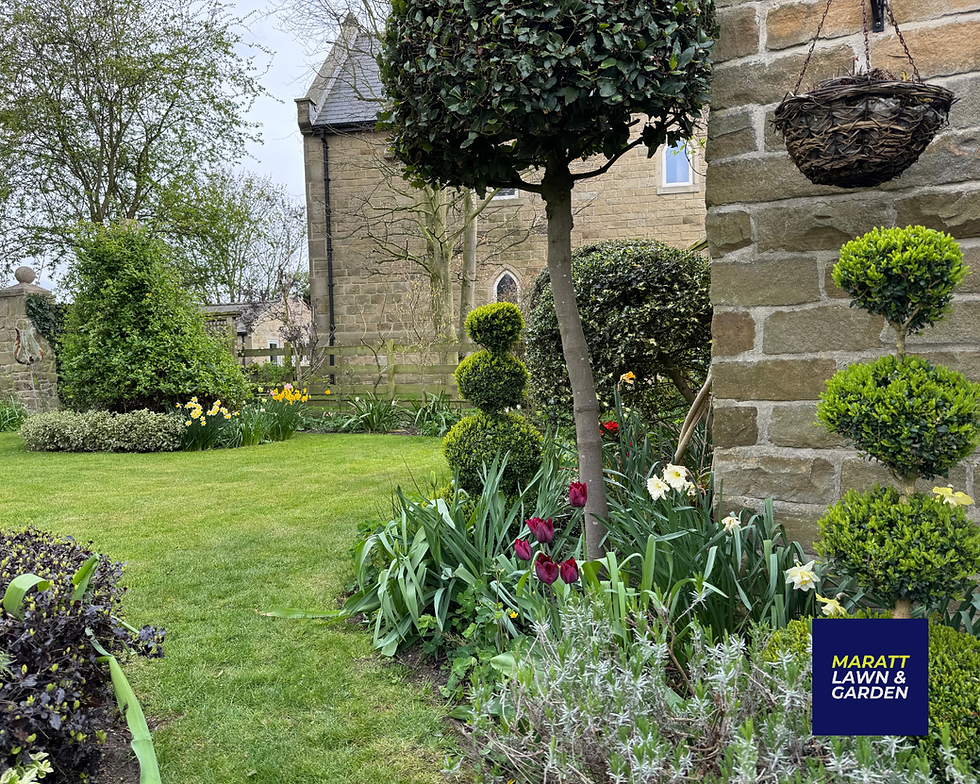
Not a “perfect” garden. Not a show garden. Just a cared-for outdoor space that works for you.
Your Garden Shapes How You Feel at Home
Your garden is the first thing you see when you open the curtains and the last place you might step into at the end of a long day. When it’s overgrown, muddy, or half-finished, it adds to mental clutter. You might not consciously notice it — but it’s there.
A tidy, balanced garden does the opposite:
It creates calm rather than stress
It invites you outside instead of making you avoid it
It feels like a space that supports you, not another job on the list
That quiet sense of order is incredibly grounding.
Low-Maintenance Doesn’t Mean Low-Care
Self-care isn’t about adding more tasks — it’s about removing friction.
A well-kept garden doesn’t mean constant pruning or weekend graft. It means:
Borders that are easy to maintain
Lawns that are healthy and resilient
Planting that suits your lifestyle and time constraints
When a garden is designed and maintained properly, it asks less of you while giving more back.
Outdoor Space = Breathing Space
There’s a reason people gravitate towards the garden when they need to think, reset, or unwind.
Being outdoors:
Lowers stress levels
Improves mood and focus
Encourages movement without effort
But this only works if the space feels welcoming. A muddy lawn, collapsing borders, or tangled shrubs can subconsciously stop you using it at all.
A cared-for garden becomes an extension of your living space — somewhere to sit, breathe, and feel human again.
Maintenance Is an Act of Kindness (to Yourself)
Regular garden care isn’t about perfection. It’s about preventing overwhelm.
Small, consistent maintenance:
Stops problems compounding
Keeps the garden usable year-round
Protects the investment you’ve already made
Much like looking after your health, a little done regularly beats a big fix later.
The Best Gardens Support Real Life
A good garden doesn’t demand attention — it supports it.
Whether that means:
A lawn your kids or dog can actually use
Clear paths that stay safe and accessible
Borders that look good without constant intervention
A well-kept garden works quietly in the background, making everyday life feel lighter.
A Final Thought
Self-care doesn’t have to be loud or indulgent. Sometimes it’s as simple as stepping outside and feeling proud of the space around you.
A well-kept garden is a reminder that you’ve made room — for calm, for rest, and for yourself.
If your garden currently feels like another source of stress, that’s usually a sign it needs support — not more effort from you.
And that’s where good garden care really earns its place. 🌿


Comments